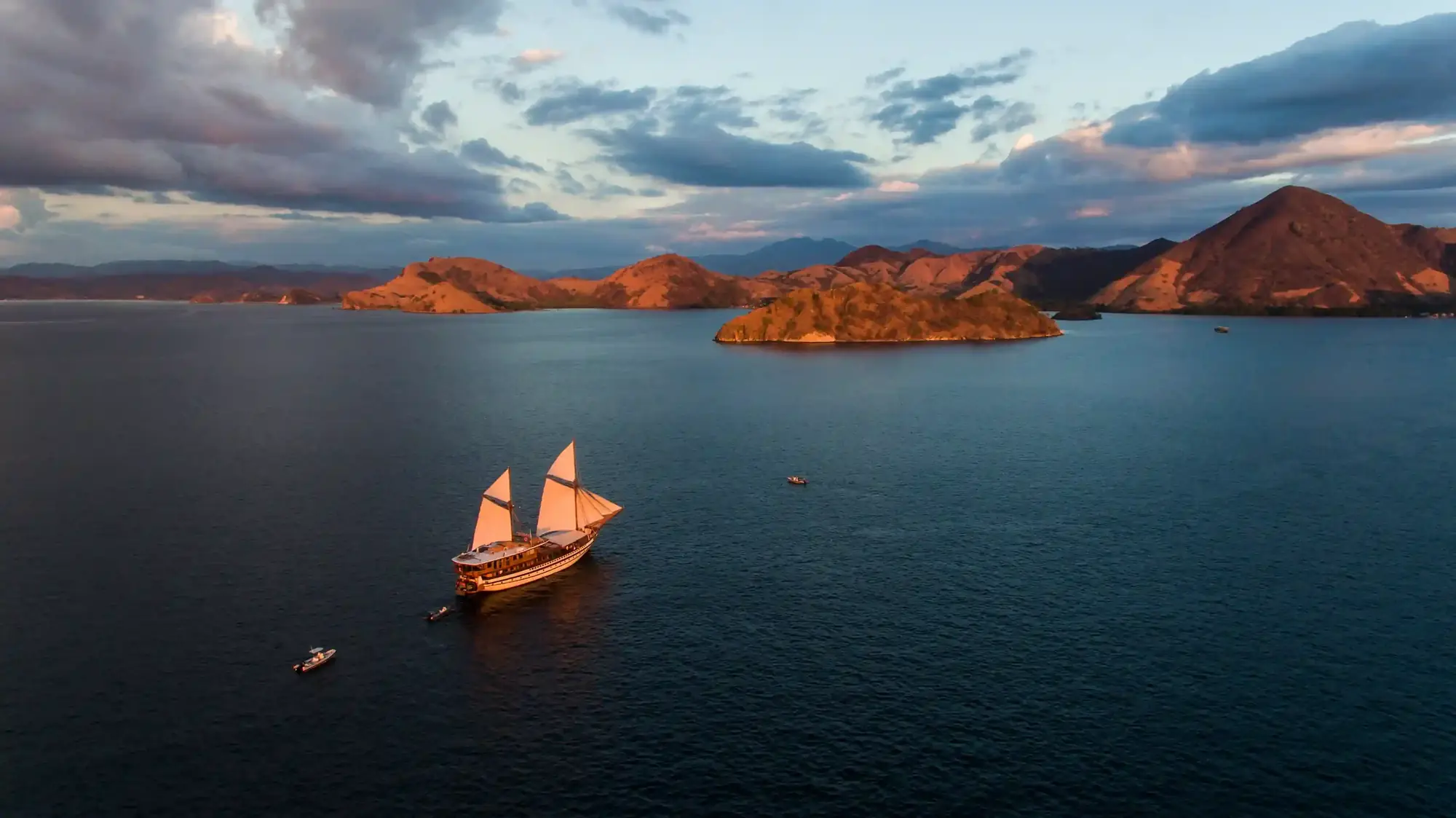

- Seas are at their calmest, ensuring a smoother and more comfortable fast boat journey.
- Sunshine is abundant with minimal rainfall, perfect for enjoying the islands upon arrival.
- Water visibility for diving and snorkeling is optimal, frequently exceeding 30 meters.
The low thrum of four 250-horsepower engines vibrates through the deck as the fast boat pulls away from Padang Bai harbor. Bali’s volcanic coastline, a dramatic silhouette of green and black, recedes into the morning haze. Ahead lies the Lombok Strait, a deep-water channel of impossibly blue water, and beyond it, the promise of Gili Trawangan’s white-sand shores. This 40-kilometer journey is a quintessential Indonesian rite of passage, a transition from the spiritual mainland to a car-free island paradise. But as any seasoned traveler or marine captain in this archipelago will attest, the quality of this transit—from a serene glide to a turbulent ordeal—is dictated almost entirely by the calendar. Timing isn’t just a detail; it’s the core of the entire experience.
Decoding Indonesia’s Two Seasons: Dry vs. Wet
Unlike the four distinct seasons of temperate climates, the Indonesian archipelago, situated just south of the equator, operates on a simpler, more dramatic binary: the dry season and the wet season. Understanding this fundamental rhythm is the first step in planning the perfect bali to gili trawangan transit. The entire region is governed by monsoonal winds. From roughly April through October, the southeast monsoon brings dry, cooler air from the Australian continent, ushering in the dry season. This is the period travelers dream of. Daily temperatures in the Gili Islands hover around a comfortable 29°C, humidity is low, and rainfall is scarce, often less than 40 millimeters for the entire month. The seas, particularly the Lombok Strait, are generally placid, with predictable and gentle swells. This translates to faster, smoother, and more reliable fast boat services, with crossings consistently hitting the 90-minute mark. According to my colleague Maria Hart, a marine biologist who has spent over a decade studying the area’s coral systems, “The dry season provides a stable marine environment. The lack of significant freshwater runoff means water clarity is at its peak, which is not only essential for our research but makes for a visually spectacular boat journey.” This is undeniably the prime window for travel.
Conversely, from November to March, the dynamic shifts. The northwest monsoon pulls in moisture-laden air from the Asian landmass and the South China Sea, initiating the wet season. Humidity climbs, and while it doesn’t rain constantly, the islands are subject to intense, short-lived tropical downpours, typically in the afternoon. Monthly rainfall can easily exceed 200 millimeters, with January and February being the wettest. The primary concern for travelers, however, is the impact on the sea. The winds are less predictable and often stronger, churning the Lombok Strait into a choppy, unwelcoming passage. Boat cancellations become a real possibility, and even when services run, the journey can be significantly rougher and longer. While the islands themselves are lush and less crowded, the transit itself can be a gamble.
The Peak Season Sweet Spot: July and August
Within the broader dry season, July and August represent the absolute apex of ideal travel conditions. This two-month window is the driest of the dry, with Bali and the Gili Islands receiving, on average, less than 15 days of any precipitation. The sky is a near-permanent, cloudless blue, and the sea state is at its most benign. For those prioritizing a seamless and comfortable boat journey, this is the time to book. The crossing from Bali’s ports like Padang Bai or Serangan is often described as “lake-like,” especially on the morning departures before the sea breeze picks up. I spoke with Wayan Sudiarta, a Gili Gili Fast Boat captain with 15 years of experience strait. “In July, the sea gives us no surprises,” he told me over coffee at the harbor. “We can run at an optimal 30 knots. Our passengers get a fast, scenic trip, and we arrive on schedule. It’s the easiest time of year for us and the best for them.” This predictability makes it the most popular time for European and Australian holidaymakers, resulting in a vibrant, energetic atmosphere on Gili Trawangan. Every beach club, dive center, and restaurant is operating at full capacity. The trade-off, of course, is demand. Accommodation prices can surge by as much as 50%, and the most sought-after villas and resorts are often booked six months in advance. The fast boats themselves fill up quickly, making last-minute bookings nearly impossible. For a prime operator, expect to pay around IDR 600,000 to 800,000 (approximately $40-$55 USD) for a one-way ticket during this peak period.
The Insider’s Choice: The Shoulder Months of April-June & September-October
For the discerning traveler seeking the perfect equilibrium between sublime weather and manageable crowds, the shoulder seasons are the answer. The periods of April to June and September to October offer nearly all the meteorological benefits of the July-August peak without the associated density of tourism. These months still fall squarely within the dry season, ensuring calm seas and abundant sunshine. In April and May, the islands are exceptionally beautiful, still radiantly green from the remnants of the wet season but without the oppressive humidity. The sea is warming up, and visibility for divers exploring the Gili’s famous turtle spots is consistently excellent. This is often the best time to secure a spot on one of the top-tier fast boat services to the Gili Islands without booking months ahead. September and October are equally compelling. The peak season crowds have dissipated, returning a more relaxed, authentic pace to island life. The ocean has been warmed by the summer sun, with water temperatures averaging a balmy 28°C. According to data from local dive operators, marine life is particularly active during these months. You get the A-list weather with B-list crowds, which also translates to more favorable pricing. Luxury accommodations might offer discounts of 20-30% compared to their peak season rates. This window represents the best time of year for a Bali to Gili Trawangan trip for those who value both comfort and a sense of space.
Wet Season: Is a November to March Trip Viable?
While the dry season is unequivocally “best,” a wet season journey is not entirely off the table, provided you travel with flexibility and managed expectations. The term “rainy season” can conjure images of ceaseless grey drizzle, but the reality is more nuanced. A typical day in January might involve a clear, sunny morning followed by a dramatic, hour-long downpour around 3 PM, which then clears for a pleasant evening. For travelers whose itineraries are not packed with all-day outdoor activities, this can be perfectly manageable. The islands are quieter, intensely lush, and prices for everything from five-star resorts to local warungs are at their lowest. You can often find luxury villas for 50% less than their July rates. The critical variable, however, remains the sea crossing. The Lombok Strait is notoriously unpredictable during these months. While many days will see perfectly acceptable conditions for a crossing, strong winds and high swells can lead to sudden cancellations. Reputable operators will prioritize safety and will not run if conditions are deemed dangerous. This means a flexible itinerary is non-negotiable; it’s wise to build in a buffer day or two around your Gili Trawangan leg in case of travel disruption. As noted by Indonesia’s official tourism board, the archipelago’s beauty persists year-round, but logistical challenges increase during the monsoon. If you do travel during this time, opt for a larger, more powerful vessel (look for boats over 25 meters with at least 1500hp) as they handle choppy seas with greater stability.
Sea Conditions & The Lombok Strait: A Deeper Dive
The journey from Bali to the Gili Islands is more than just a simple ferry ride; it’s a crossing of a significant oceanic channel. The Lombok Strait is the first deep-water passage connecting the Pacific Ocean to the Indian Ocean east of Java. This geographical feature, as detailed in oceanographic studies referenced on its Wikipedia page, makes it a conduit for the Indonesian Throughflow, a massive volume of water that creates powerful and complex currents. This is why sea conditions here can change more rapidly than in shallower coastal waters. During the dry season (April-October), the prevailing southeast trade winds create a consistent, predictable swell that modern fast boats are designed to handle with ease, providing a stable and comfortable ride. The journey feels swift and direct. During the wet season (November-March), the westerly winds are less consistent and can generate larger, choppier “wind waves” that overlay the oceanic swell, leading to a much more turbulent experience. The direction of the swell can make the boat pitch and roll, which is the primary cause of discomfort for passengers. It is crucial to select a vessel from a trusted operator. Our guide to Bali to Gili Trawangan fast boat operators details vessel specifications, safety records, and passenger reviews, which become especially critical when planning a trip outside the peak dry season. A larger boat with a covered, air-conditioned cabin and a strong safety record is always the superior choice, regardless of the time of year.
Quick FAQ: Your Bali to Gili Trawangan Timing Questions Answered
What is the absolute worst month to travel for the boat crossing?
While travel is possible, January and February present the highest risk. These months mark the peak of the wet season, bringing the heaviest rainfall and the most volatile sea conditions. The chance of fast boat cancellations due to high waves is at its highest, potentially disrupting travel plans for 24-48 hours at a time. If your schedule is tight, it’s best to avoid this period for the sea transit.
Does the time of day matter for the boat trip?
Absolutely. As a rule, morning crossings are significantly calmer than afternoon ones, regardless of the season. The wind and surface chop on the Lombok Strait tend to build throughout the day, peaking in the mid-to-late afternoon. This is why nearly all reputable fast boat companies schedule their main departures from Bali between 8:30 AM and 10:30 AM to ensure the most comfortable passage.
Are there any major holidays or events that affect travel?
Yes, two are critical. The most important is Nyepi, the Balinese “Day of Silence,” which typically falls in March. For a full 24 hours, the entire island of Bali shuts down. Ngurah Rai Airport (DPS) closes, and all sea ports cease operations. No boats will run to or from Bali on this day. The second is the Islamic holy month of Ramadan and the subsequent Eid al-Fitr celebration. As the Gili Islands are part of Lombok, which is predominantly Muslim, the pace of life changes. While tourist services largely continue, some smaller businesses may have reduced hours, and the islands will be busy with domestic tourists during the Eid holiday.
Choosing when to make the iconic crossing from Bali to Gili Trawangan is as important as choosing your villa. While the allure of a quiet, rainy-season escape has its merits, the comfort and reliability of the dry season—specifically the shoulder months of April-June and September-October—present the ultimate proposition. This is when the journey transforms from a mere transfer into a spectacular marine excursion, a perfect prelude to the island paradise that awaits. Now that you have pinpointed the ideal season for your voyage, the next step is selecting the right vessel. Our comprehensive guide to bali to gili trawangan fast boat companies provides detailed reviews, safety records, and direct booking information to ensure your transit is as flawless as your destination.