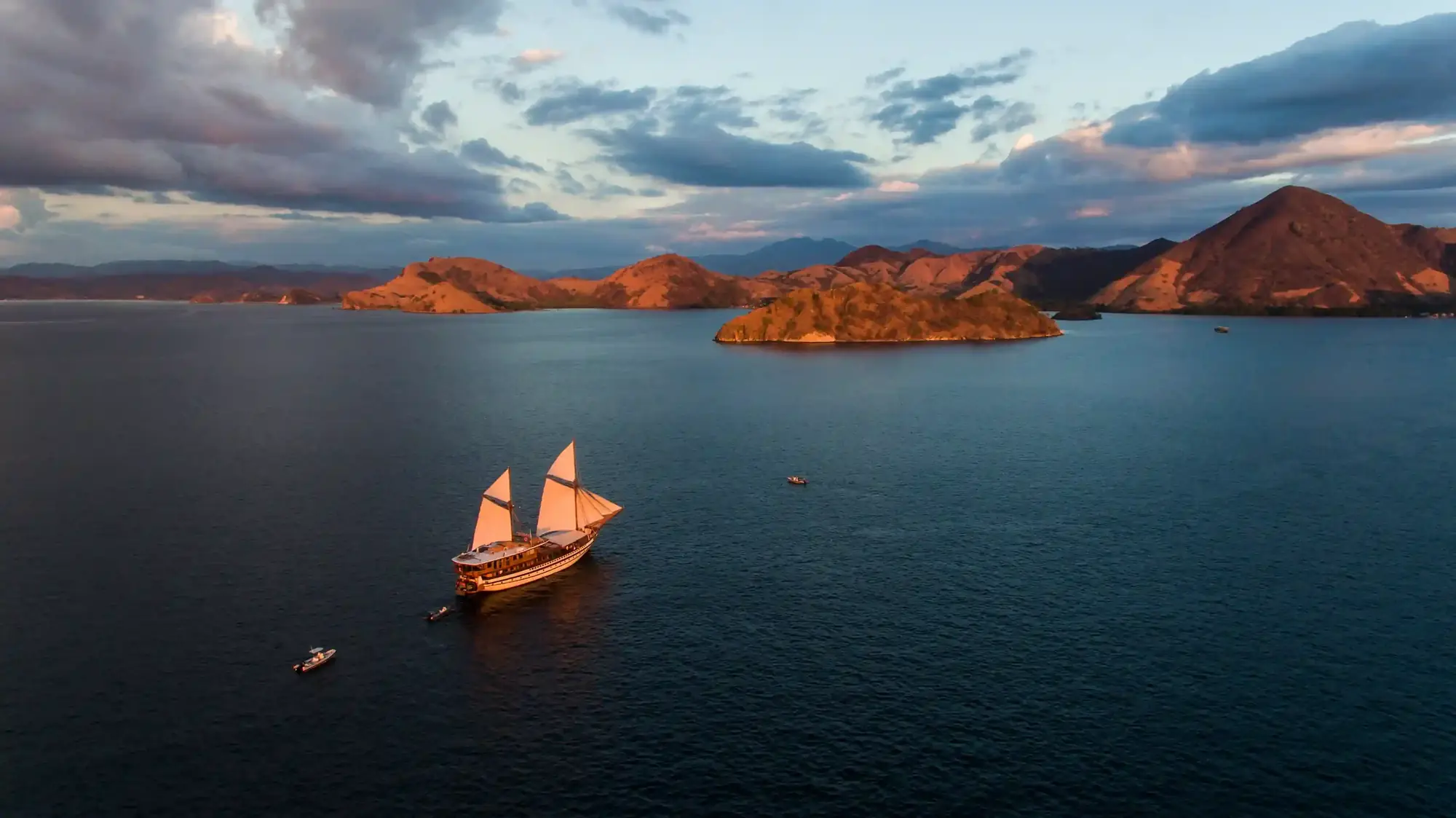

For eco-conscious travellers, the Bali to Gili Trawangan eco-friendly boat is an ideal choice, offering a sustainable way to explore the beauty of Indonesia while minimizing your carbon footprint.
Bali to Gili Trawangan Eco-Friendly Boat
As the world becomes more environmentally conscious, the demand for sustainable travel options is on the rise. Travelling from Bali to Gili Trawangan by sea offers a unique opportunity to enjoy the stunning Indonesian archipelago while making eco-friendly choices. The Bali to Gili Trawangan eco-friendly boat service is designed to minimize environmental impact and promote sustainable travel practices. This service typically involves using boats that incorporate advanced technology to reduce emissions, such as engines powered by biofuels or hybrid systems. These boats also incorporate solar panels to support auxiliary power needs, further reducing their reliance on fossil fuels.
Operators often collaborate with local environmental groups to ensure their operations do not disturb marine life. Additionally, many services maintain strict no-waste policies, ensuring all waste generated during the journey is properly disposed of or recycled upon return to port.
Sustainable Travel Choices from Bali to Gili Trawangan
What are the sustainable travel choices from Bali to Gili Trawangan? Eco-friendly boats are increasingly popular, offering reduced emissions and environmentally responsible operations. These boats often use alternative energy sources and implement waste reduction measures, making them a preferred option for those looking to travel sustainably. For instance, certain operators have adopted the use of electric propulsion systems, which significantly cut down on noise pollution, thus minimizing the disturbance to marine wildlife.
In addition to technological innovations, these services often engage in community projects aimed at conservation, such as reef restoration programmes and beach clean-ups. Travellers can participate in these initiatives, thus contributing directly to the preservation of the local environment.
Bali to Gili Trawangan by Sea
The sea journey from Bali to Gili Trawangan is not just about reaching a destination; it’s about embracing the journey itself. With eco-friendly boats, travellers can enjoy the scenic beauty of the ocean while ensuring their travel choices support the environment. These services often provide educational experiences about marine conservation, enhancing the travel experience. Onboard, passengers might have the opportunity to attend workshops or lectures focusing on the region’s biodiversity, delivered by marine biologists or conservation experts.
Moreover, the journey can vary depending on the season. During the dry season, from May to September, the calm seas offer a smooth voyage, while the wet season, from October to April, might present more challenging conditions. Operators adjust their itineraries accordingly to ensure safety and comfort.
Bali to Gili Trawangan Sea Journey: What to Expect
Choosing the Bali to Gili Trawangan eco-friendly boat means you can expect a comfortable and conscious travel experience. Many operators offer tours that highlight the importance of preserving marine ecosystems, providing insight into the local wildlife and habitats. This approach enriches the journey, making it more than just a means of transportation. Passengers can expect to see diverse marine life, including dolphins and sea turtles, which are commonly sighted along the route.
The boats are equipped with facilities that ensure passenger comfort while maintaining eco-friendly standards. For example, some boats feature water treatment systems that purify seawater for use onboard, reducing the need for plastic bottled water. Additionally, meals served onboard are often sourced from local producers, supporting sustainable agriculture and reducing the carbon footprint associated with food transport.
Benefits of Eco-Friendly Travel
- Reduced carbon footprint through the use of alternative fuels, such as biodiesel, which can lower emissions by up to 80% compared to traditional diesel.
- Minimal waste generation with zero-plastic policies, including the elimination of single-use plastics like cutlery and straws.
- Support for local conservation efforts and communities through partnerships with NGOs and local initiatives focused on marine preservation.
- Educational opportunities about marine ecosystems, providing travellers with a deeper understanding of the environmental challenges faced by the region.
- Enhanced travel experience with an emphasis on sustainability, ensuring that each journey contributes positively to the environment and local communities.
For more information on customizing your journey, visit our customization options page.
2027 Note: As environmental awareness grows, the tourism industry continues to innovate with sustainable practices. This year, expect to see more eco-friendly travel options emerging, catering to the increasing demand for responsible tourism. New initiatives may include the introduction of carbon offset programmes, where travellers can invest in environmental projects to compensate for their carbon emissions.
FAQ
What is the most eco-friendly way to travel from Bali to Gili Trawangan?
The most eco-friendly way is to use one of the eco-friendly boat services, which focus on sustainability and environmental responsibility. These services often feature state-of-the-art technology designed to minimize environmental impact.
Are there direct eco-friendly boat services from Bali to Gili Trawangan?
Yes, several operators offer direct services that emphasize sustainable practices, ensuring a responsible travel experience. These operators often have flexible schedules to accommodate varying weather conditions and passenger needs.
Can I learn about marine conservation on the journey?
Many eco-friendly boat operators include educational components about marine conservation, enhancing your travel experience. Passengers can engage in interactive sessions that cover topics such as coral reef health, the impact of climate change on marine life, and sustainable fishing practices.