

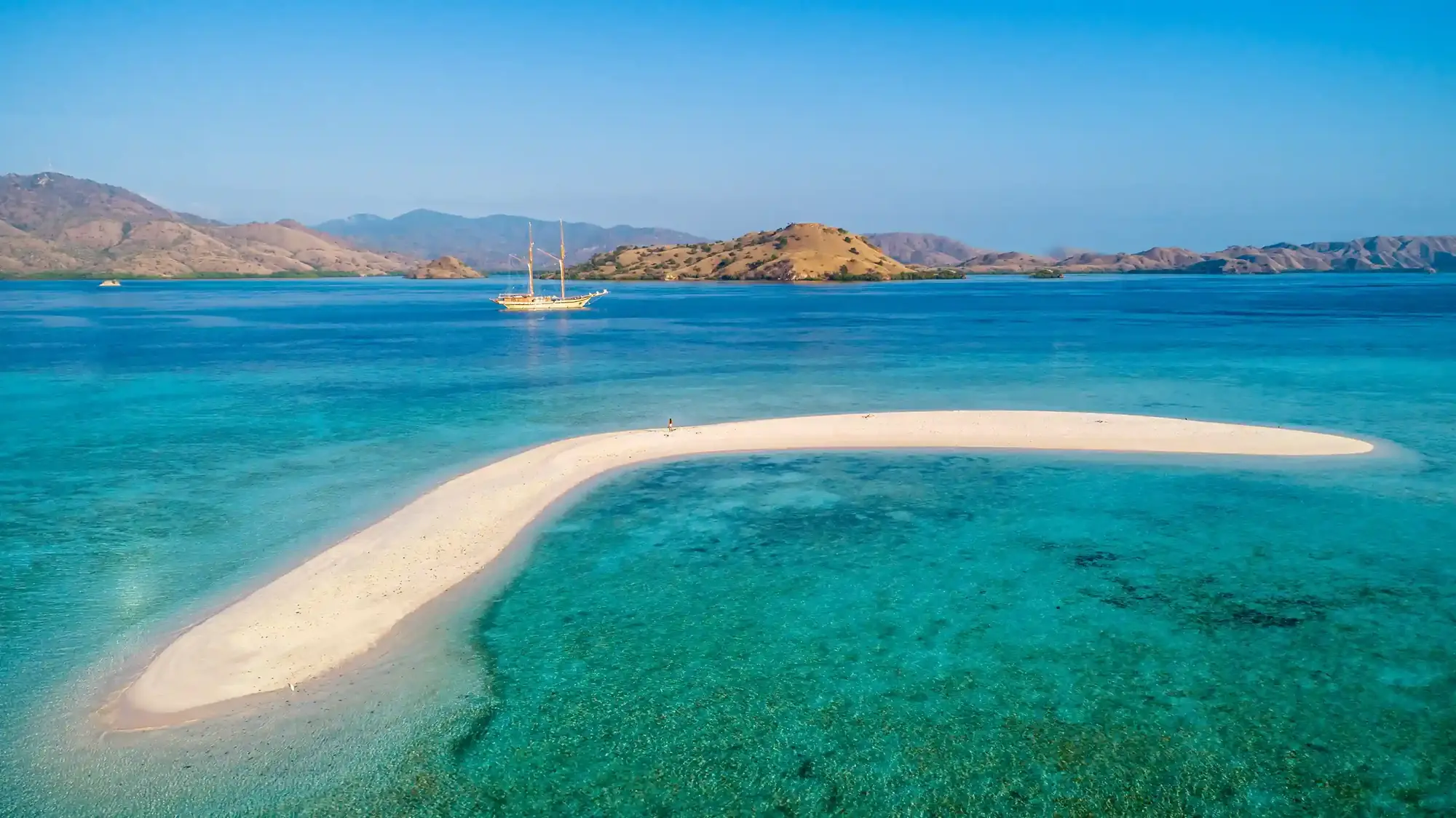
The Gili Islands appear on the horizon as three distinct fragments of paradise, their white-sand perimeters a stark, inviting contrast to the deep blue of the Lombok Strait. The transfer from Bali is a well-established rite of passage for travelers, a brief but intense maritime transit. Yet, for many, the anticipation of reaching Gili Trawangan, Meno, or Air is tempered by a specific concern: the fast boat crossing itself. The strait is known for its powerful currents and, depending on the season, significant swell. This guide addresses that concern directly, providing a strategic approach to ensure your arrival in the Gilis is serene, not stomach-churning. See also: Bali to Gili Trawangan Transit Guide Home.
Understanding the Lombok Strait: A Geographic Primer
The journey from Bali to the Gili Islands is not a simple coastal cruise. It involves crossing the Lombok Strait, a deep-water channel that serves as a major conduit for the Indonesian Throughflow. This massive movement of water from the Pacific to the Indian Ocean creates powerful, often unpredictable currents. The strait plunges to depths of over 1,400 meters, and this topography, combined with seasonal winds—particularly pronounced during the dry season from June to September—can generate choppy conditions. The average transit time for a bali gili fastboat from Padangbai is approximately 90 minutes; from Serangan, it can be closer to 2.5 hours. Understanding this dynamic is the first step in preparing for a comfortable crossing. This is not a ferry ride on a calm lake; it is an open-water passage that demands respect and preparation. The key to a smooth trip is selecting the right operator and preparing your body for the motion.
Port of Departure: Strategic Choices from Padangbai and Serangan
Your point of departure from Bali significantly influences the duration and character of your journey. The two primary fast boat hubs are Padangbai in the east and Serangan in the south. A traveler based in Ubud, a 60-minute drive away, will find Padangbai the most logical choice. For those in Seminyak, Kuta, or Canggu, the 90-to-120-minute drive to Padangbai must be weighed against the shorter 30-minute transfer to Serangan. However, the sea journey from Serangan is substantially longer, adding an extra hour or more to the crossing. This extended time on the water can be a critical factor for those prone to motion sickness. Padangbai is a functional, busy port in the Karangasem Regency, while Serangan, an island south of Denpasar, often has more modern terminal facilities. The trip from padangbai to gili is the most direct and popular route for a reason: it minimizes time on potentially rough seas.
Fast Boat Operator Comparison
Choosing an operator for your bali to gili transit is about more than price. Safety standards, vessel size, and comfort are paramount. Reputable companies invest in modern navigation systems (GPS, AIS), carry sufficient life rafts for all passengers, and are staffed by experienced crews. Below is a comparison of established operators.
| Operator | Departs From | Approx. Price (USD One-Way) | Vessel Profile & Safety | Best For |
|---|---|---|---|---|
| Eka Jaya | Padangbai | $35 – $45 | Large, stable vessels (up to 210 passengers, 34 meters in length) with robust safety equipment. Air-conditioned cabin and sundeck. | Travelers prioritizing stability and value. |
| BlueWater Express | Padangbai, Serangan | $55 – $65 | Operating since 2006 with a strong safety record. Comfortable seating, complimentary water, and a professional crew. | Comfort and a long-standing reputation. |
| Gili Getaway | Serangan | $60 – $70 | Faster, smaller vessels powered by four 250hp engines. Known for speed and premium service, including sunblock and refreshments. | Speed and service from South Bali. |
| Wahana Gili Ocean | Padangbai | $30 – $40 | A budget-friendly option with a fleet of boats. Standard safety features are in place, offering a reliable, no-frills service. | Budget-conscious travelers. |
Pre-Departure Protocol: The 24 Hours Before Boarding
Your defense against seasickness begins long before you smell the salt air. The goal is to create a calm internal environment that is less susceptible to the disorienting signals of motion. See also: Bali to Gili Trawangan Transit Guide.
- Dietary Discipline: Avoid heavy, greasy, or acidic foods. A large Babi Guling feast the night before your gili from bali trip is not advisable. Instead, opt for light, bland carbohydrates like rice, bread, or crackers. Ginger is a well-documented anti-emetic; consider drinking fresh ginger tea or chewing on crystallized ginger.
- Strategic Hydration: Dehydration can significantly lower your tolerance for motion sickness. Drink plenty of water the day before and the morning of your trip. Crucially, avoid alcohol and excessive caffeine, as both have a dehydrating effect and can irritate the stomach.
- Prioritize Rest: Fatigue is a major contributor to motion sickness. Ensure you get a full night of sleep. Arriving at the port exhausted and anxious creates a physiological predisposition to feeling unwell.
- Pack a Go-Bag: Keep a small bag with essentials readily accessible, not checked with your main luggage. This should include your chosen medication, a bottle of water, a light snack like salted crackers, and headphones for distraction.
Pharmaceutical and Natural Remedies: A Medical Perspective
For many, an over-the-counter medication provides a reliable safety net. In Bali, pharmacies like Guardian or Kimia Farma stock several options. The most common is Antimo, which contains dimenhydrinate, the same active ingredient as Dramamine. A strip of 10 tablets typically costs less than IDR 10,000 (under $1 USD). For it to be effective, it must be taken 30-60 minutes before departure. Once nausea has set in, its efficacy is greatly reduced. Always follow the dosage instructions and be aware that drowsiness is a common side effect.
For those who prefer a non-pharmaceutical approach, several alternatives have proven effective. Acupressure wristbands, such as the Sea-Band brand, are widely available in Bali for around IDR 150,000 (~$10 USD). These bands apply pressure to the P6 (Nei-Kuan) acupressure point on the wrist, which is believed to relieve nausea. While scientific evidence is mixed, many travelers report significant benefits. Natural remedies also include ginger capsules, which offer a more concentrated dose than tea, and aromatherapy with peppermint or lavender essential oils, which can help calm the senses and distract from feelings of queasiness. The journey from bali to Gili Trawangan can be managed effectively with these tools.

Onboard Tactics for a Smooth Passage
Once you step onto the bali gili fastboat, your choices continue to influence your comfort. Where you sit and what you do during the 90-minute crossing are critical factors in managing motion sickness.
- Strategic Seating: A boat pivots from its center. The areas with the most pronounced movement are the front (bow), which slaps against the waves, and the upper deck, which has a higher center of gravity. The most stable location is on the lower deck, in the middle of the boat, as close to the waterline as possible. Securing a seat here can make a substantial difference. A window seat is also preferable.
- Fix Your Gaze: The sensory conflict between your inner ear feeling motion and your eyes seeing a static cabin wall is the root cause of seasickness. Counteract this by looking outside at a fixed point on the horizon. This helps your brain reconcile the motion it feels with the visual information it receives. Avoid reading, using your phone, or focusing on any close-up object.
- Utilize Fresh Air and Distraction: If the cabin feels stuffy, and it is safe to do so, step outside for fresh air. If you remain inside, direct the air-conditioning vent toward your face. Distraction is also a powerful tool. Listen to a podcast or an engaging music playlist; this can divert your brain’s focus from the boat’s motion.
- Control Your Breathing: Anxiety can trigger and worsen nausea. If you start to feel uneasy, practice controlled breathing. A simple box breathing technique—inhale for four seconds, hold for four, exhale for four, hold for four—can lower your heart rate and calm your nervous system.
Post-Arrival Recovery on Gili Trawangan
Even with the best preparation, you might feel slightly off-balance upon arrival on Gili Trawangan. The feeling, often called “land sickness,” typically subsides within an hour. The island, which is approximately 3 kilometers long, offers an immediate sense of calm. Instead of rushing into an activity, take a few moments to reacclimate. Find a beachfront cafe, order a fresh coconut water (an excellent source of electrolytes for rehydration), and simply sit. A light meal of plain rice or grilled fish is a better choice than anything heavy or fried. Allow your body to adjust to solid ground before you rent a bicycle or book a snorkeling trip. The clear, warm waters, averaging 28-29°C, will be waiting for you when you feel ready. See also: book Gili Trawangan Air Meno.
The fast boat transit is a necessary and manageable part of the Gili Islands experience. By understanding the environment, choosing your operator carefully, preparing your body, and employing smart tactics onboard, you can ensure the journey is simply a functional preface to your time in this remarkable Indonesian archipelago. See also: Contact pricing.