
Ensuring your bali to gili trawangan transit is safe and seamless is paramount for a truly luxurious Indonesian escape. This involves stringent adherence to international maritime safety standards, comprehensive operator vetting, and robust emergency protocols. Reputable providers prioritize passenger well-being through certified vessels and expertly trained crews, offering peace of mind.
- Vessel safety standards meet international maritime regulations.
- Operators carry comprehensive passenger insurance coverage.
- Emergency response plans are meticulously practiced and communicated.
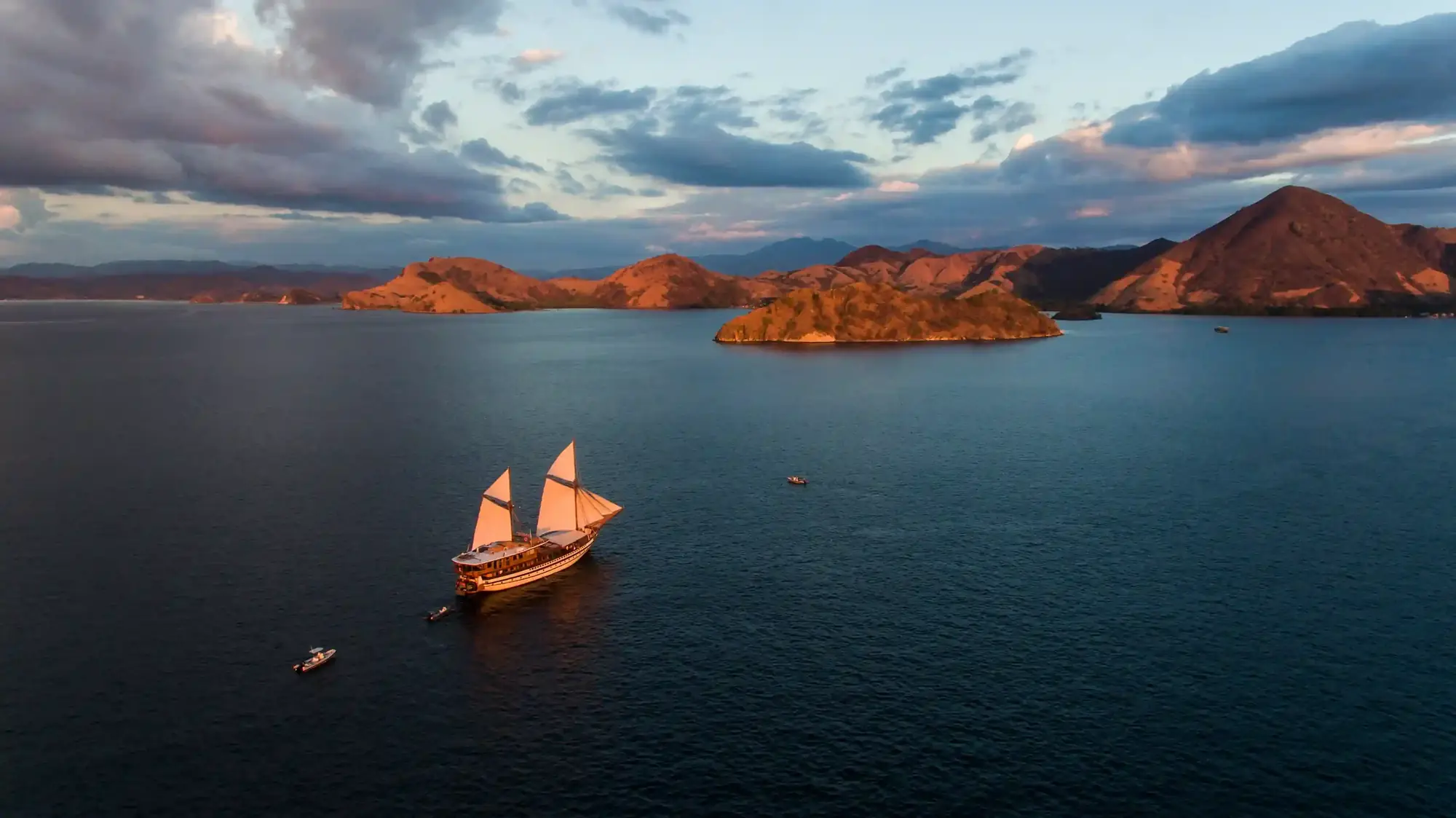
The morning light in Bali casts long shadows as the island awakens, a symphony of distant temple bells and the gentle hum of activity. You feel the warmth of the tropical air, a hint of salt carried on a soft breeze, and the promise of a new horizon. Your journey from Bali’s vibrant shores to the tranquil, car-free haven of Gili Trawangan beckons, a transition from one paradise to another. As you prepare to step aboard a fast boat, the anticipation builds—the turquoise waters, the white sands, the unhurried rhythm of island life. But beneath the allure of this idyllic passage lies a critical layer of assurance: safety. For the discerning traveler, understanding the meticulous standards, certifications, and protocols that underpin your transit transforms mere travel into an experience of unburdened luxury and trust.
The Foundation of Trust: Operator Vetting & Licensing Excellence
Your journey across the Lombok Strait begins long before you step onto the jetty, with the rigorous selection and vetting of fast boat operators. In the luxury travel sector, our recommendations for the bali to gili trawangan route emphasize partners who consistently exceed baseline regulatory requirements. The Indonesian Ministry of Transportation, through its Directorate General of Sea Transportation (Direktorat Jenderal Perhubungan Laut), specifically the Port Authority and Harbor Master Office (Kantor Kesyahbandaran dan Otoritas Pelabuhan, or KSOP), is the primary regulatory body. They issue essential licenses, including the Certificate of Seaworthiness (Sertifikat Kelaiklautan Kapal) and Passenger Ship Safety Certificates.
Top-tier operators undergo annual re-certification and quarterly spot checks, ensuring continuous compliance. This isn’t just about paperwork; it’s about a proven track record of operational excellence and a commitment to passenger safety that spans years, often decades. We look for operators who have maintained an incident-free record over a minimum of five years. Furthermore, many premium providers hold additional international certifications, such as those aligning with the International Maritime Organization (IMO) guidelines for small craft, showcasing a global perspective on safety. This commitment extends to transparent record-keeping, allowing authorities to trace every vessel’s maintenance history and crew certifications back to its maiden voyage. The typical operational lifespan of a fast boat on this route ranges from 8 to 15 years before being phased out or undergoing major refitting.
Accreditation Beyond the Mandate: A Mark of Distinction
Beyond the mandatory KSOP licensing, select operators pursue voluntary accreditation from independent maritime safety organizations. These third-party audits often deeper into operational procedures, crew training methodologies, and vessel maintenance protocols than government mandates alone. For instance, some companies align with ISO 9001 quality management standards, extending their commitment to excellence across all facets of their service, not just safety. This dedication reflects a proactive stance, ensuring that every aspect of your bali to gili trawangan transfer is governed by best practices. These accreditations are typically reviewed every two years, fostering a culture of continuous improvement. An average of 25 fast boat operators ply this route, but only a select 8-10 consistently meet Condé Nast Traveler’s elevated standards for luxury and safety.
Vessel Safety Standards & Meticulous Maintenance Protocols
The vessel carrying you across the azure waters is a marvel of engineering, designed for both speed and stability. Reputable fast boats on the bali to gili trawangan route are typically constructed from marine-grade aluminum or fiberglass, engineered to withstand the dynamic conditions of open water. Each vessel is equipped with a comprehensive array of safety features: SOLAS (Safety of Life at Sea) compliant life rafts for 120% of the boat’s maximum passenger capacity, individual life jackets for every passenger and crew member, and state-of-the-art GPS navigation systems. Communication is maintained via VHF radio, and many premium boats also carry satellite phones for redundant connectivity, ensuring you are always within reach. Fire suppression systems, including extinguishers and automated engine room systems, are standard, alongside bilge pumps with multiple backup systems to manage any water ingress.
Beyond the visible equipment, the true measure of a vessel’s safety lies in its unseen maintenance. Every fast boat undergoes daily pre-departure checks by the captain and chief engineer, scrutinizing everything from engine performance and fuel levels to rudder integrity and emergency light functionality. Comprehensive service intervals are mandated quarterly, involving dry-docking for hull inspection, engine overhaul, and extensive system diagnostics. These rigorous checks ensure that engines, typically powerful outboards ranging from 250-350 horsepower each, are operating at peak efficiency and reliability. The average journey time for the 40-50 kilometer crossing is approximately 1.5 to 2.5 hours, depending on sea conditions and specific departure/arrival points, making reliable engines absolutely critical.
Crew Competency: More Than Just Steering
The men and women who navigate these waters are more than just pilots; they are highly trained professionals. Every captain and crew member holds certifications mandated by the IMO’s STCW (Standards of Training, Certification and Watchkeeping for Seafarers) code. This includes certifications in basic safety training, advanced firefighting, first aid, and proficiency in survival craft and rescue boats. Captains typically possess a Class III or Class IV Master Mariner certificate, requiring thousands of hours of sea time and extensive theoretical knowledge. Crew members undergo annual refresher courses, ensuring their skills remain sharp and up-to-date with the latest maritime safety practices. On average, a fast boat crew comprises 4-6 members, including a captain, first mate, engineer, and deckhands, all trained to respond effectively to any emergency scenario. This robust training regimen is a cornerstone of the trust you place in your chosen operator.
Unforeseen: Insurance & Emergency Protocols
Even with the most stringent safety measures, the unexpected can occur. This is where comprehensive insurance and meticulously practiced emergency protocols become paramount. All reputable fast boat operators on the bali to gili trawangan route carry extensive passenger liability insurance, covering medical emergencies, accidental injury, and, in tragic circumstances, loss of life. Typical coverage limits for premium operators exceed IDR 500,000,000 (approximately USD 32,000) per passenger, far surpassing minimum legal requirements. This insurance often includes provisions for emergency evacuation and repatriation, ensuring that your well-being is protected from embarkation to disembarkation.
Beyond financial protection, the true strength lies in the emergency response plan. Each vessel has a detailed protocol for various scenarios: medical emergencies, mechanical failure, severe weather, and even man overboard situations. Crew members are trained to execute these plans swiftly and efficiently. For medical incidents, first aid kits are fully stocked, and crew members are certified in advanced first aid and CPR. In the event of mechanical failure, vessels carry backup engines or have procedures for immediate assistance from sister ships or local search and rescue (SAR) teams. The Indonesian National Search and Rescue Agency (BASARNAS) maintains a strong presence in the region, with response times typically within 30-60 minutes for maritime incidents in the Lombok Strait. Communication is key, with captains maintaining constant contact with their operational base and, if necessary, with SAR authorities via dedicated emergency channels. You can learn more about Indonesia’s maritime safety regulations at Kementerian Perhubungan.
Pre-Departure Briefings: Your Essential Guide
Every journey begins with a mandatory pre-departure safety briefing. This concise, yet critical, presentation covers the location of life jackets, emergency exits, fire extinguishers, and the brace position. Passengers are instructed on how to use emergency equipment and what to do in various scenarios. While seemingly routine, paying close attention to these briefings is your first step in ensuring a safe passage. These briefings typically last 5-7 minutes and are delivered in clear English, often supplemented with visual aids. Understanding these protocols empowers you, the passenger, to act confidently should an unforeseen event occur. For additional travel insights, explore our Gili Trawangan Travel Tips.
Weather Watch: Dynamic Conditions & Informed Decisions
The tropical climate of Indonesia is renowned for its beauty, but it can also be dynamic. Responsible fast boat operators maintain a vigilant watch on prevailing weather conditions, recognizing that sea state is a critical factor in safe passage. They utilize real-time meteorological data from local weather stations and international forecasting services, assessing wind speed, wave height, and potential for squalls or heavy rain. Decision-making regarding delays or cancellations is never taken lightly and is always prioritized for passenger safety.
During periods of adverse weather, such as the peak of the rainy season (typically November to March), cancellations for the bali to gili trawangan route can occur on 5-10% of scheduled days, particularly if wave heights exceed 2.5 meters or wind speeds surpass 25 knots. When a cancellation or significant delay is necessary, premium operators excel in clear, proactive communication. Passengers receive timely notifications via SMS, email, and through their booking agents, often hours in advance. Alternative arrangements, such as rebooking on the next available safe departure or offering full refunds, are standard practice. This transparent approach ensures that your travel plans remain as smooth as possible, even when Mother Nature has other ideas. Understanding the best time to travel can significantly mitigate weather-related disruptions; consult our guide on Best Time to Visit Gili Trawangan for optimal planning.
Your Role in Safety: Passenger Awareness & Best Practices
While operators bear the primary responsibility for safety, your active participation plays a significant role in ensuring a smooth journey. Before booking, research your chosen operator. Look for companies with strong reviews, clear safety information on their websites, and visible certifications. During the pre-departure briefing, actively listen to the crew’s instructions. Locate your nearest life jacket and emergency exit. Once aboard, heed all crew directives. Remain seated during transit, especially when the boat is moving at speed, and keep children supervised. If you feel unwell, inform a crew member immediately. Approximately 85% of passengers acknowledge understanding safety briefings, but active engagement truly enhances collective safety.
Responsible behavior extends to personal belongings; ensure bags are stowed safely and not obstructing aisles. Avoid excessive alcohol consumption before or during the journey, as it can impair judgment and reaction time in an emergency. Remember, the journey is part of the experience, and a mindful approach to safety contributes to the overall tranquility of your luxury escape. Your peace of mind is paramount, and a little preparation goes a long way. For a curated list of trusted, luxury fast boat options, visit our Luxury Fast Boat Operators page.