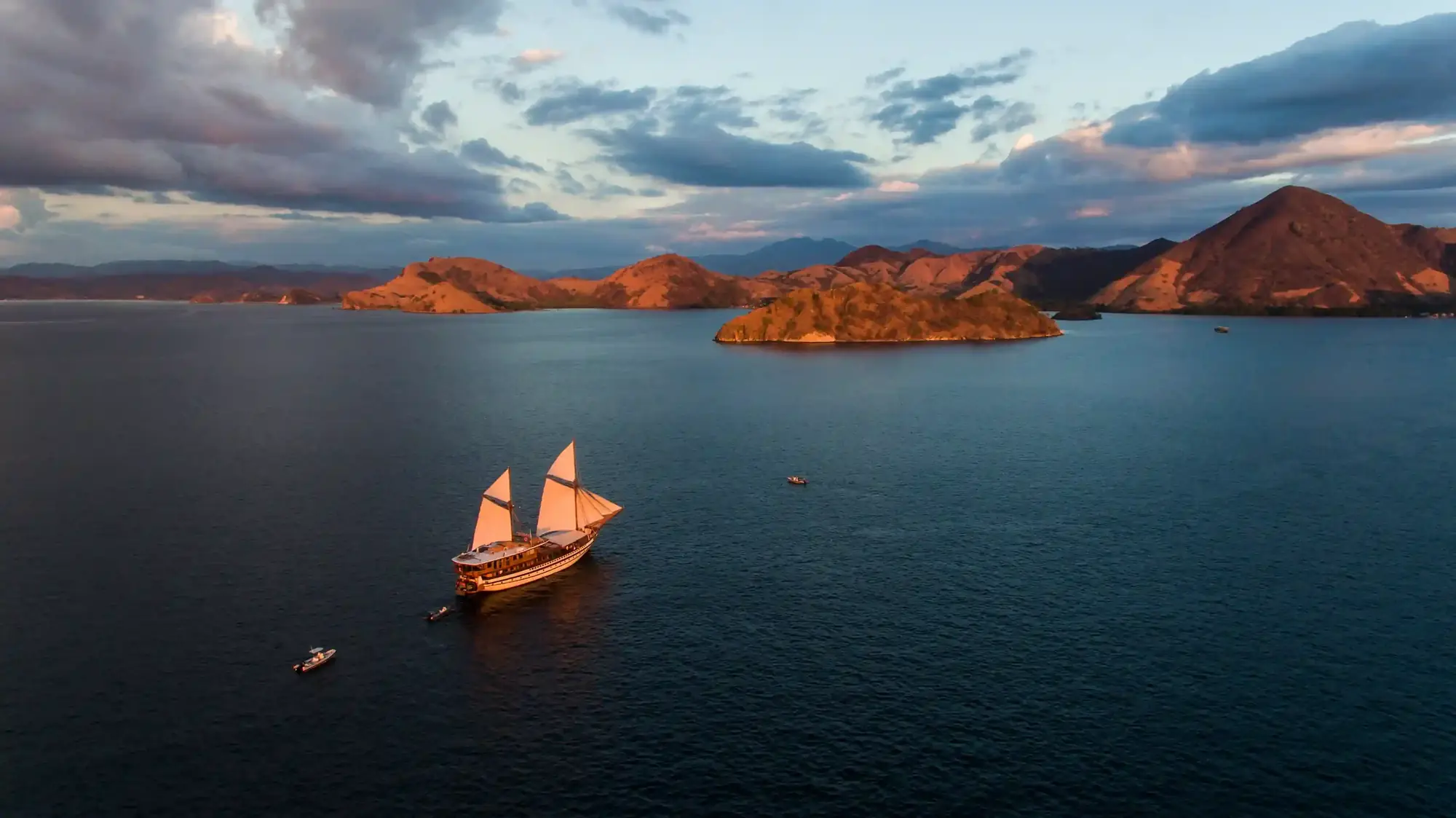

- Standard Tier: $450 – $650 for a reliable vessel and private car.
- Premium Tier: $700 – $950 for a newer, faster boat and premium SUV.
- Luxe Tier: $1,000+ for a high-end yacht and VIP ground service.
The sun climbs over the lush canopy of your Ubud villa, its warmth a final embrace before your next chapter begins. The scent of kretek cigarettes and frangipani hangs in the humid air, a signature perfume of the Island of the Gods. Your destination: the turquoise waters and car-free lanes of Gili Trawangan. The question for the discerning traveler is not about the destination, but the journey itself. The crowded, chaotic scrum of the public fast boat terminal is an experience, but not the one you seek. You require something seamless, something that honors the transition from one paradise to another. This is where the private transfer enters the conversation—a fluid, curated passage across the Lombok Strait, tailored entirely to your schedule and standards.
Deconstructing the Private Transfer: What Are You Actually Paying For?
When you see a price tag that begins at $450 for a 35-kilometer sea crossing, it’s essential to understand the intricate logistics you are commissioning. The term “private transfer” is an elegant summary of a multi-stage, coordinated service. This is not merely a boat ticket; it is a complete logistical solution. The process begins the moment a private, air-conditioned vehicle—typically a Toyota Alphard or a premium SUV—arrives at your hotel or villa, whether you are in Seminyak, Canggu, or the more remote hills of Uluwatu. Your luggage is handled, and you are chauffeured directly to a designated private jetty, bypassing the chaotic public harbors of Padang Bai or Sanur. Popular departure points for private charters include the calmer docks at Serangan, just south of Denpasar, which reduces drive time from the main tourist hubs by up to 60 minutes.
Upon arrival at the port, you are not waiting in a queue. You are escorted directly to your chartered vessel. This could be anything from a 12-meter fiberglass speedboat with twin 200-horsepower engines to a more substantial luxury craft. The price reflects the quality, age, and speed of the boat. Included in the cost are the captain and at least one crew member, all port clearance fees, passenger insurance, and often, amenities like chilled towels, bottled water, and sometimes even a cooler of Bintang. The most significant value lies in the complete control over your schedule. If your flight lands at 1:00 PM, your boat can be ready for a 3:00 PM departure. This level of flexibility is simply unattainable with the rigid, twice-daily schedules of the public fast boat operators. You are purchasing time, privacy, and the absence of friction on your journey from bali to gili trawangan.
The 2024 Pricing Spectrum: From Premium to Ultra-Luxe
Understanding the bali to gili trawangan private transfer price requires looking at it as a tiered system, much like airline classes. The figures for 2024 reflect rising fuel costs—which can account for up to 40% of the charter price—and increased demand for exclusive travel post-pandemic. At the entry-level of the private market, from approximately $450 to $650, you can expect a safe, clean, and reliable service. This typically includes a standard private car like a Toyota Innova and a well-maintained speedboat that makes the crossing from Serangan in about 2 to 2.5 hours. This is an excellent option for a family or a group of four to six people who prioritize privacy and a direct route without the premium frills.
Moving into the premium or “business class” tier, priced between $700 and $950, the assets are upgraded. Your land transfer is likely to be in a Toyota Alphard or a similar luxury van. The vessel will be newer, larger, and more powerful—think a modern 14-meter boat with three or four 250-horsepower engines, cutting the sea-crossing time to under 90 minutes in good conditions. Onboard service is elevated, with better seating, sound systems, and often a selection of soft drinks and snacks. This category is for travelers who value both efficiency and a higher degree of comfort. At the apex is the ultra-luxe tier, starting at $1,000 and climbing based on the vessel. Here, you are chartering not just a speedboat but a small yacht. These charters offer bespoke catering, premium alcoholic beverages, and a level of service akin to a five-star hotel. The journey becomes an experience in itself, perhaps including a stop for a private swim in the clear waters off Nusa Lembongan.
Logistical Nuances: Timing, Ports, and the formidable Lombok Strait
The journey from Bali to the Gili Islands traverses the Lombok Strait, a deep-water channel that serves as a critical biogeographical boundary. Known as the Wallace Line, this strait separates the fauna of Asia and Australasia, a fact first noted by naturalist Alfred Russel Wallace in the 19th century. Its depth, reaching over 1,300 meters, allows for significant currents and can create challenging sea conditions, especially between July and September when winds are strongest. A key advantage of a private charter is the captain’s ability to navigate these conditions with more precision and flexibility than a large, fully-loaded public ferry. They can adjust speed and course for comfort, a luxury not afforded to scheduled services that must meet a timetable.
Your choice of departure port in Bali has a significant impact on the total travel time. The most common public port, Padang Bai, offers the shortest sea crossing (around 90 minutes) but requires a longer, often traffic-congested drive of 1.5 to 2 hours from areas like Seminyak or Canggu. Private charters frequently use Serangan Island or even Benoa Harbour, which are only 20-30 minutes from the southern tourist centers. While the sea crossing from Serangan is longer, averaging 2 to 2.5 hours, the total door-to-door time is often shorter and far more pleasant due to the reduced time on the road. A private charter operator will advise the best port based on your location and the day’s sea forecast. This bespoke logistical planning is a core component of the service and a primary justification for the cost, ensuring a truly streamlined experience. For those looking at all options, our Bali to Gili Trawangan — Fastboat Transit Guide + Operators page provides a detailed comparison.
Vetting Your Operator: Critical Questions Before You Commit
The private charter market in Bali is less regulated than commercial aviation, making due diligence on your part paramount. Not all operators are created equal, and the vessel shown in a glossy brochure may not be the one that awaits you at the jetty. Before wiring a deposit, a discerning traveler must ask a series of pointed questions. “We always advise clients to ask for the boat’s registration number and year of manufacture,” says Jean-Pierre Lacombe, a Bali-based luxury travel concierge we spoke with. “A reputable company will provide this without hesitation.” Insist on seeing recent, time-stamped photos or a short video of the exact boat assigned to your charter. Ask specifically about the safety equipment on board: is there a SOLAS-grade life raft, GPS navigation, a satellite phone for emergencies, and a full set of life jackets for every passenger?
The pricing structure should be transparent. Confirm in writing that the quoted price is all-inclusive, covering fuel, crew, port taxes, and any passenger levies. Inquire about their weather-related cancellation policy. A professional operator should offer a full refund or rescheduling if the harbormaster deems conditions unsafe for crossing. Finally, ask about the captain’s experience and certification. A seasoned captain with thousands of hours Lombok Strait is your most valuable safety asset. While many informal “operators” can be found on social media, we recommend booking through established charter companies or a trusted travel agent who has personally vetted their partners. The peace of mind that comes from knowing you are in safe, professional hands is invaluable. The standard fast boat options, which are more regulated, can be reviewed in our main transit guide.
Is a Private Transfer Worth The Investment? A Value Analysis
For the solo backpacker, a $500 transfer is an obvious extravagance. But for the intended audience of this service, the value proposition shifts. Consider a family of five traveling during the peak season of August. Five premium-class public fast boat tickets could cost upwards of $300-$350, plus another $50-$70 for a private car to the port. You’re already approaching the cost of an entry-level private charter, which eliminates hours of waiting, crowded terminals, and the stress of managing children and luggage in a chaotic environment. The ability to depart at your leisure, directly from a quiet dock to the shores of Gili Trawangan, transforms a stressful travel day into a highlight of the vacation. The island itself, part of a trio of islands that were designated as a marine tourism conservation area in 2009, is a destination worthy of a grand entrance, as noted by Indonesia’s official tourism board.
For groups, the economics become even more compelling. A charter boat seating eight people for $800 breaks down to just $100 per person. This price point is highly competitive with the best available public fast boat tickets, yet the experience is in a completely different league. Beyond convenience, there is the element of privacy and security. High-profile guests or those celebrating a special occasion like a honeymoon or anniversary find immense value in having the vessel to themselves. The journey becomes an exclusive marine excursion rather than mere public transport. It allows for a seamless transition that maintains the serene, cloistered feeling of a luxury holiday, a feeling that is often shattered by the realities of mass tourism. Ultimately, the decision hinges on what you value more: budget, or the seamless preservation of time and tranquility.
Quick FAQ: Your Private Transfer Questions Answered
Can I book a one-way private transfer to Gili Trawangan?
Absolutely. One-way charters are standard practice. However, many operators offer a discount of 10-15% for booking a round-trip transfer, as it guarantees a return fare for their vessel. It is often more cost-effective to book the return journey simultaneously if your travel dates are fixed.
How much luggage can we bring on a private boat?
Unlike scheduled fast boats that often have luggage restrictions (typically 25kg per person), a private charter offers significant flexibility. Within reason, you can bring multiple large suitcases, surfboards, or dive equipment without incurring extra fees. It is always best to inform the operator in advance about any unusually large or heavy items to ensure adequate space.
Can the boat stop at other Gili Islands like Meno or Air?
Yes, this is one of the primary benefits of a private charter. You can customize your itinerary. Most operators will happily make short stops at Gili Meno or Gili Air for drop-offs or a quick photo opportunity. If you wish to make extended stops for snorkeling or lunch, this can usually be arranged for an additional fee to cover the extra fuel and crew time.
What is the best time of day to cross the Lombok Strait?
The sea is generally calmest in the morning. Most private charters aim for a departure between 9:00 AM and 11:00 AM. Afternoon crossings can encounter more wind and choppier conditions, particularly from June to September. A reputable operator will provide guidance based on the marine forecast for your specific day of travel.
A private transfer is the definitive statement in seamless Indonesian archipelago travel. It transforms the functional necessity of transit into a memorable part of your itinerary. By understanding the components, pricing tiers, and logistical variables, you can make an informed decision that aligns with your travel style and priorities. For a comprehensive overview of all transit options, from shared fast boats to these exclusive charters, we invite you to consult our complete bali to gili trawangan transit guide for the most current operator information and schedules.