
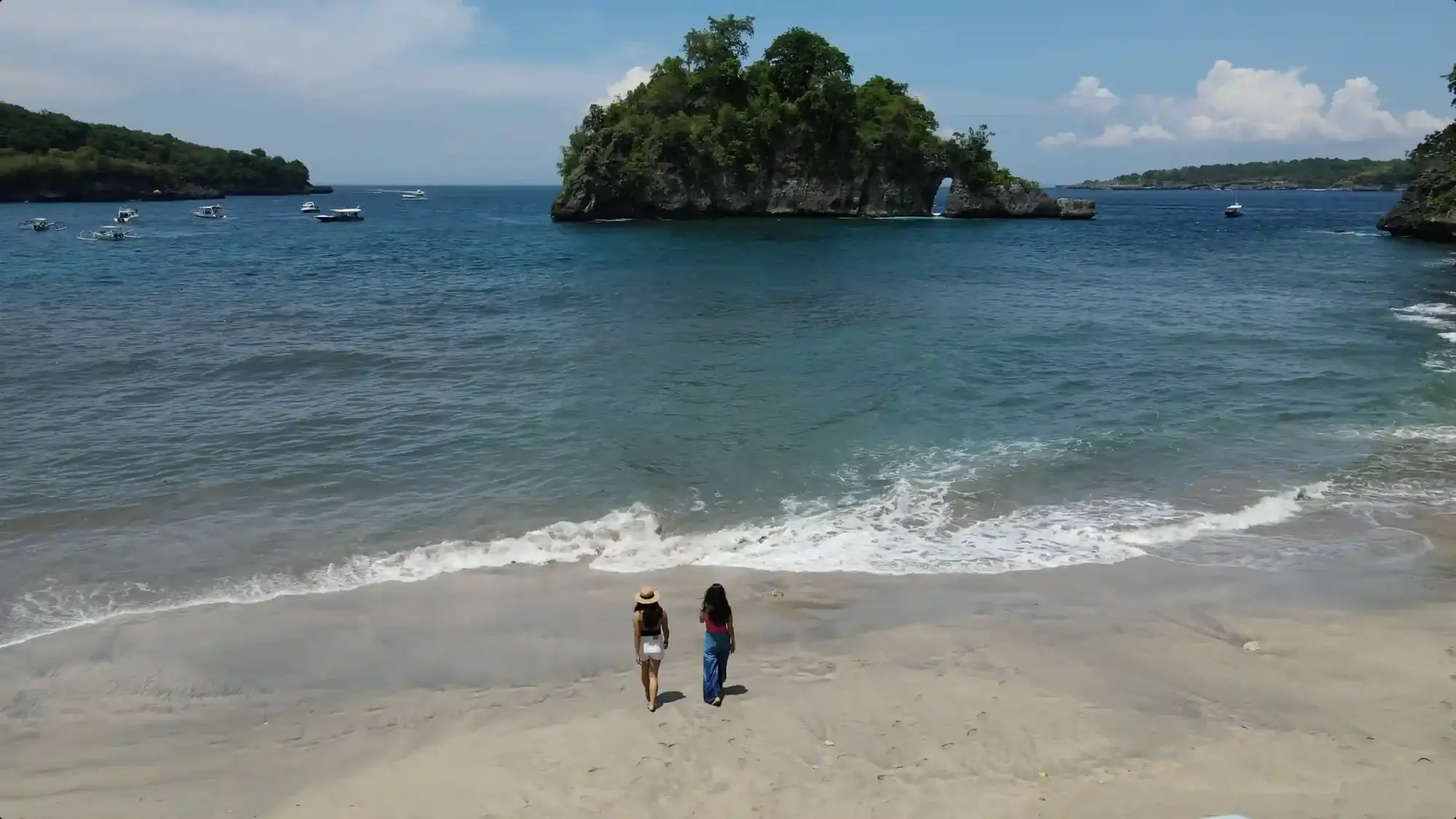
The first glimpse of Gili Trawangan’s turquoise shoreline from the deck of a fastboat is a definitive moment for any traveler in Indonesia. The 35-kilometer stretch of water separating Bali from the Gili Islands, the Lombok Strait, is the conduit to this experience. Yet, this deep-water channel is more than just a distance to be covered; its temperament dictates the quality of your arrival. A smooth, sun-drenched crossing can be an exhilarating prelude to your island stay, while a turbulent one can be deeply uncomfortable. Understanding the interplay of season, port, and operator is not merely a logistical exercise—it is the key to ensuring your transit is as serene as the destination itself. The journey from Bali to Gili Trawangan requires foresight, as the strait’s conditions can shift dramatically, transforming a simple transfer into a significant event.
The primary challenge is often-unpredictable sea conditions. Many travelers assume the trip is a straightforward ferry ride, only to be surprised by the pronounced ocean swell. This guide provides the necessary details for planning your Bali Gili fastboat transit, focusing on how seasonal patterns affect the crossing, which departure port is superior for your itinerary, and how to select an operator that prioritizes safety and comfort over speed alone.
Understanding the Lombok Strait: Seasonal Patterns and Sea Conditions
The Lombok Strait is one of the most important oceanic passages in Indonesia, connecting the Java Sea to the Indian Ocean. It is also the geographical marker for the Wallace Line, the faunal boundary identified by Alfred Russel Wallace in 1859. Its depth, which plunges to over 1,400 meters, allows for a massive exchange of water between the two bodies, resulting in powerful currents and complex sea states. See also: see Bali to Gili Trawangan Transit Guide’s About.
Travel conditions are primarily governed by two distinct seasons:
- Dry Season (April to October): Generally considered the best time for a Gili from Bali trip. This period sees less rainfall, more sunshine, and typically calmer seas. Average wave heights can range from 0.5 to 1.5 meters. However, a sub-season within this period, from June through August, is known locally as the “windy season.” Strong southeasterly winds can create significant surface chop and swell, making for a bumpier ride despite the clear skies.
- Wet Season (November to March): Characterized by higher humidity, intermittent tropical downpours, and increased volatility in sea conditions. Storms can develop quickly, and wave heights can exceed 2.5 meters, leading to frequent trip cancellations. The peak of this volatility is often in January and February. One skipper with over a decade of experience on the Padangbai route notes, “In the wet season, we rely heavily on the morning reports from the BMKG (Indonesian Meteorology, Climatology, and Geophysics Agency). Safety is the only priority; if the warning is high, we do not depart.”
The most predictable and comfortable months for the crossing are typically April, May, September, and October, which fall within the dry season but outside the peak windy period. During these months, the sea is often at its most placid, especially during morning departures. See also: explore Contact.
Choosing Your Departure Port: Padangbai vs. Serangan
Your point of origin in Bali significantly influences your transit experience. The two principal harbors for fastboats to the Gili Islands are Padangbai in the east and Serangan in the south. Each presents a different set of trade-offs in terms of travel time, cost, and exposure to open water. See also: book Padangbai Vs Serangan.
Padangbai Harbour
Located on Bali’s eastern coast, Padangbai is the busiest port for Gili-bound traffic. It is the logical choice for travelers staying in or near Ubud (a 60-90 minute drive), Candidasa (20 minutes), or Amed (75 minutes). The primary advantage of the Padangbai to Gili route is its efficiency; it offers the shortest sea crossing, with a direct transit time of approximately 90 to 120 minutes. However, this direct route means boats are quickly exposed to the open waters of the Lombok Strait. During periods of high swell, this can translate to a more turbulent journey. The port itself is a functional, bustling facility where dozens of operators vie for position. A mandatory port tax of IDR 10,000 (approximately $0.65 USD) per person is collected upon entry.
Serangan Harbour
Situated on a small island connected by a bridge just south of Sanur, Serangan is the preferred port for those based in the southern tourist centers of Kuta, Seminyak, Canggu, or Nusa Dua. The drive time from these areas is significantly shorter, typically 30-45 minutes. The sea journey from Serangan is longer, averaging 2.5 to 3 hours. However, the route often provides a degree of shelter, tracking east along the coast of Nusa Lembongan before making the final open-water crossing to the Gilis. This can sometimes result in a more comfortable initial and final leg of the journey. Operators based in Serangan, such as BlueWater Express and Gili Getaway, often position themselves as premium services, with more organized check-in facilities and higher price points reflecting the convenience for south Bali travelers. See also: Home.

Comparing Fastboat Operators: Safety, Comfort, and Price
The quality and safety standards of Bali Gili fastboat operators vary considerably. The price of a ticket often correlates with the size and maintenance of the vessel, the number of engines, and the level of adherence to international safety protocols. Larger boats with more powerful engines are generally better equipped to handle challenging sea conditions, providing a more stable and comfortable ride. Below is a comparison of four reputable operators servicing the Bali to Gili Trawangan route.
| Operator | Departure Port(s) | Approx. Price (USD One-Way) | Vessel Capacity | Key Feature |
|---|---|---|---|---|
| Eka Jaya Fast Boat | Padangbai | $40 – $50 | ~210 passengers | Large, stable aluminum boats; multiple daily departures. |
| BlueWater Express | Padangbai, Serangan | $60 – $70 | ~60-90 passengers | Long-standing reputation for safety and professionalism. |
| Gili Getaway | Serangan | $65 – $75 | ~35-50 passengers | Premium service with a focus on speed and comfort. |
| Wahana Gili Ocean | Padangbai | $35 – $45 | ~120 passengers | Reliable mid-range option with competitive pricing. |
Eka Jaya is notable for operating some of the largest vessels on the route. Their boats, often exceeding 34 meters in length and powered by four 1800hp engines, offer superior stability in rough seas. This makes them a prudent choice during the windy season. BlueWater Express, established in 2006, was one of the first professional operators and maintains a strong safety record, with certified life rafts, GPS, and ship-to-shore radios on all vessels. Gili Getaway focuses on a more intimate, premium experience with smaller, faster boats and a higher level of customer service, departing exclusively from Serangan. Wahana Gili Ocean provides a solid, no-frills service from Padangbai and is a popular choice for budget-conscious travelers seeking a reliable crossing.

Pricing and Booking Your Bali to Gili Fastboat Ticket
The cost of a fastboat ticket can fluctuate based on the season, operator, and booking method. Prices generally range from $35 USD for a one-way ticket on a budget operator in the low season to over $75 USD for a premium service in the high season (July-August and the Christmas/New Year period).
A standard ticket typically includes a luggage allowance of one or two pieces totaling around 25kg. Excess baggage, such as surfboards, often incurs an additional fee of around IDR 200,000 (approx. $13 USD). Many, but not all, operators include a complimentary shuttle service from central tourist hubs like Kuta, Legian, Seminyak, Sanur, and Ubud Center. Pick-up from more remote locations like Uluwatu, Canggu, or Amed will almost always require a surcharge, often between $15 to $25 USD per car.
It is strongly recommended to book tickets at least several days in advance, especially for morning departures in high season. While it is possible to purchase tickets at the port on the day of travel, you risk paying an inflated price or finding that the most reputable services are fully booked. Booking through a trusted online agent or directly with the boat company provides security and often better pricing than on-the-street vendors.
Your Transit Day Checklist: A Step-by-Step Guide
A smooth departure day is the result of careful preparation. Follow these steps to ensure an efficient and comfortable transit from your hotel in Bali to the shores of Gili Trawangan.
- Confirm 24 Hours Prior: Reconfirm your booking and, if applicable, your shuttle pick-up time and location the day before you travel. Note the operator’s contact number in case of delays.
- Prepare for Motion Sickness: If you are susceptible to seasickness, take preventative medication (such as dimenhydrinate) 30-60 minutes before boarding. Choose a seat on the lower deck, near the center of the boat, where motion is least pronounced. Avoid reading and focus on the horizon.
- Port Arrival: Plan to arrive at the designated port at least 60 minutes before your scheduled departure. You will need this time to check in at the operator’s office, receive your boarding pass and luggage tags, and clear the port authority check. Remember to have cash on hand for the Padangbai port tax (IDR 10,000).
- Onboard and Arrival: Pay attention to the crew’s safety briefing. Most boats have both air-conditioned interior seating and an open-air sundeck. Upon arrival at Gili Trawangan, porters will offer to carry your luggage from the boat to the shore. It is wise to agree upon a price beforehand; a typical fee is IDR 50,000-75,000 (around $3-$5 USD) depending on the weight of your bags.